About the Film
In June 1976, thousands of school students in Soweto protested apartheid education policies and the imposition of Afrikaans as a language of instruction.
The police response was swift and brutal. What began as a student protest became one of the defining moments in the struggle against apartheid and transformed international awareness of conditions in South Africa.
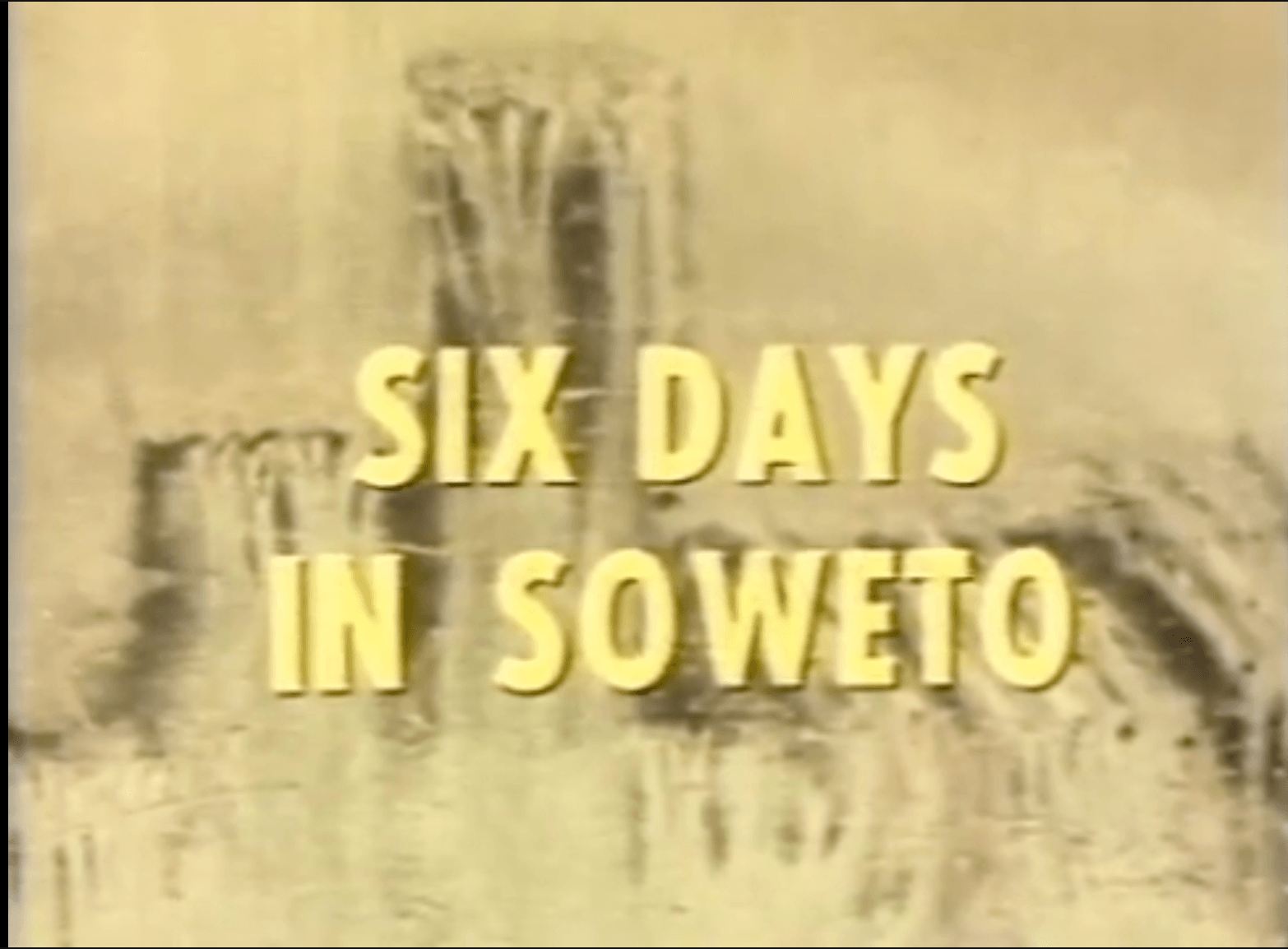
Made the following year, The South African Experience: Six Days in Soweto forms the second part of Antony Thomas’s documentary trilogy exploring life under apartheid.
The film centres the perspectives of Black South Africans living through these events. Through interviews, observations and personal testimony, it offers viewers an opportunity to encounter experiences that apartheid authorities sought to silence.
One participant describes the film as a direct appeal to the British public: a call for people to “see the truth in our faces.”
Today, the documentary remains an important historical record of a pivotal moment in the struggle for liberation of South African from apartheid.
Content Guidance
Please note that this film contains historical material that some viewers may find distressing.
The documentary includes references to and depictions of:
- State violence and police brutality
- Racism and racial discrimination
- Structural oppression and segregation under apartheid
- Political repression, intimidation and surveillance
- Dehumanisation and the denial of basic human rights
- Graphic historical imagery, including images of deceased individuals
- Accounts of injury, death and bereavement
- Funeral processions and scenes of communal mourning
- Trauma experienced by children, young people, families and communities
- Violence arising from apartheid policies and state-sponsored division within communities
This film was produced as a contemporary record of life under apartheid and includes material that may be challenging to watch. While these scenes are presented in an historical and documentary context, viewers should be aware that they reflect the realities of a system that inflicted profound harm on millions of people.
For Educational Use
This film is presented as a historical document and educational resource. The views expressed by contributors are those of the individuals interviewed and reflect the circumstances, perspectives and political realities of the period in which the film was made.
The documentary contains language, attitudes, imagery and descriptions that some viewers may find distressing. These materials are presented for educational and historical purposes to support understanding of apartheid and its impact on individuals, communities and society.
The Anti-Apartheid Legacy Centre does not endorse discriminatory language, racist ideologies or acts of violence depicted or discussed in the film.
The Anti-Apartheid Legacy Centre strongly recommends that teachers, educators, parents and other responsible adults preview this film before sharing it with younger audiences. Teachers, educators and group leaders may wish to provide historical context before viewing and create opportunities for discussion and reflection afterwards.
Access to this film is provided for educational, research and private study purposes only and should not be reproduced, distributed or publicly screened without permission.
Watch the Film
Running time: 53 mins 13 seconds
This section is password protected.
Historical Context
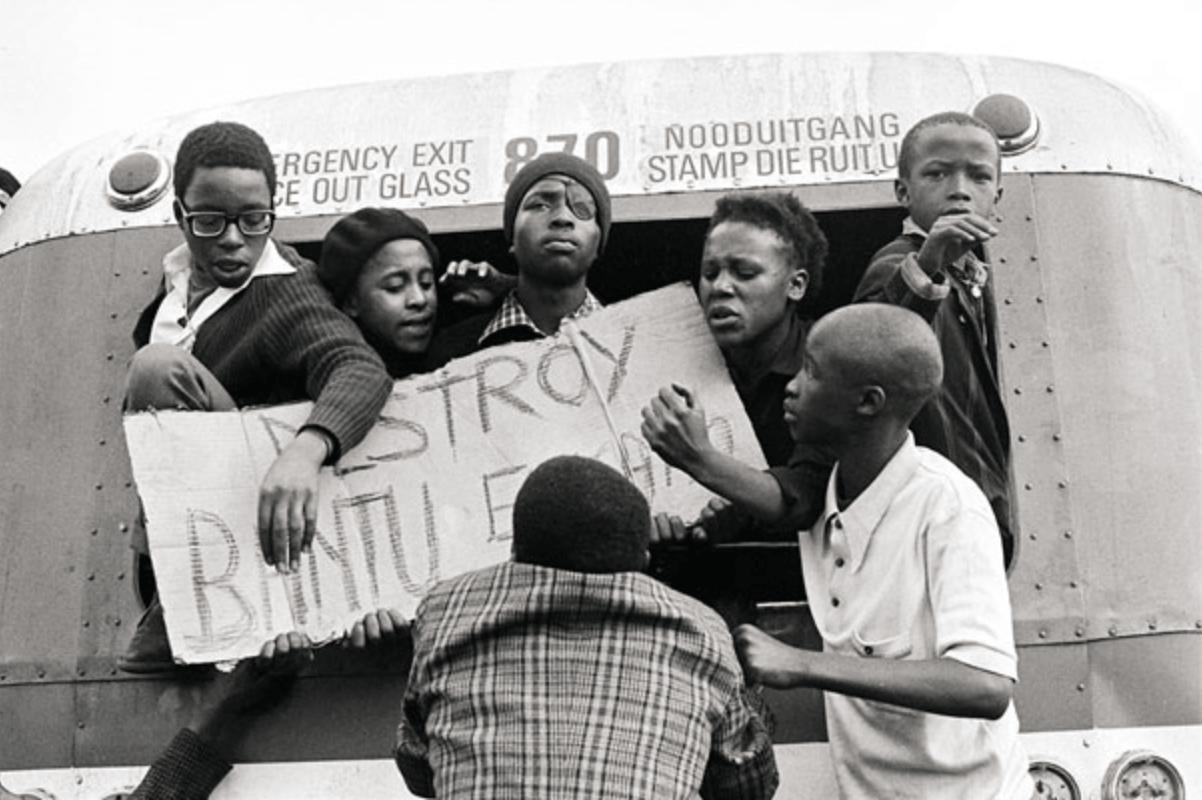
Students in Soweto holding a sign that reads, “Destroy Bantu Education”, Soweto, June 1976. Photograph by Alf Kumalo, Courtesy Photography Legacy Project Archive.
The Soweto Uprising emerged from growing student resistance to apartheid education policies, particularly the government’s decision to impose Afrikaans alongside English as a language of instruction in Black schools. For many students, Afrikaans was not simply a language; it was closely associated with the apartheid regime and its systems of control. The policy was widely viewed as an attempt to limit educational opportunities and reinforce racial inequality.
Organised in part by the South African Students’ Movement, resistance grew over several months before culminating in a mass demonstration on 16 June 1976. On that day, thousands of schoolchildren marched peacefully through Soweto. Police responded with force, opening fire on protesters and killing and injuring many young people.
The events of 16th June marked a turning point in South African history. What began as a local protest rapidly developed into a nationwide uprising, exposing the brutality of apartheid to audiences around the world and inspiring renewed resistance within South Africa. The uprising helped galvanise international solidarity campaigns, strengthen support for liberation movements, and increase pressure on the apartheid government through boycotts, sanctions and public protest.
It was in the aftermath of these events that Antony Thomas made The South African Experience: Six Days in Soweto. Rather than focusing on official accounts, the film centres the voices and experiences of Black South Africans living through this pivotal moment. As such, it offers a rare contemporary record of how ordinary people understood the uprising, its causes and its consequences.
Today, 16th June is commemorated as Youth Day in South Africa, honouring the courage, sacrifice and political agency of the young people whose actions helped reshape the struggle against apartheid and whose legacy continues to inspire new generations.
Film Gallery
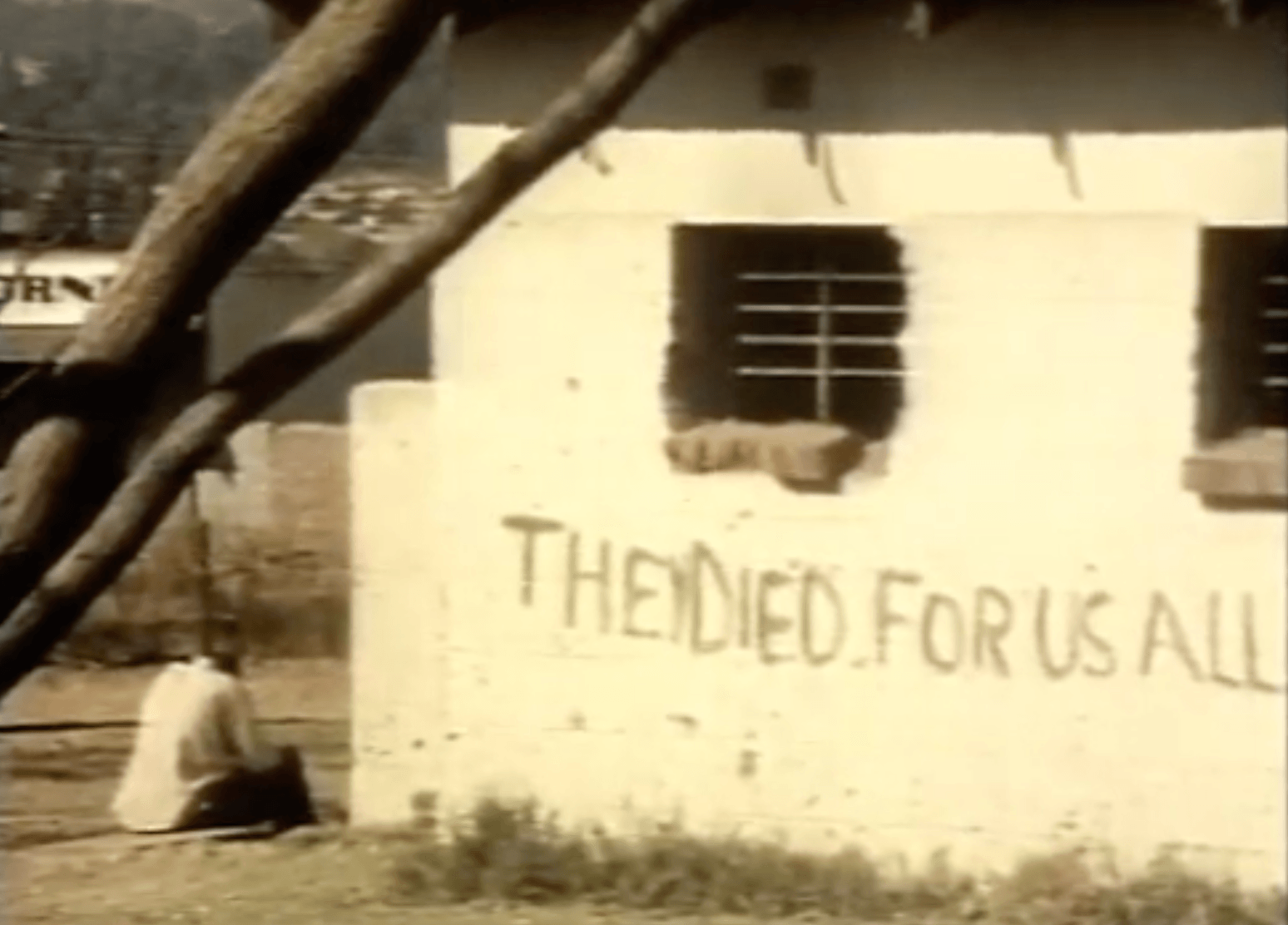
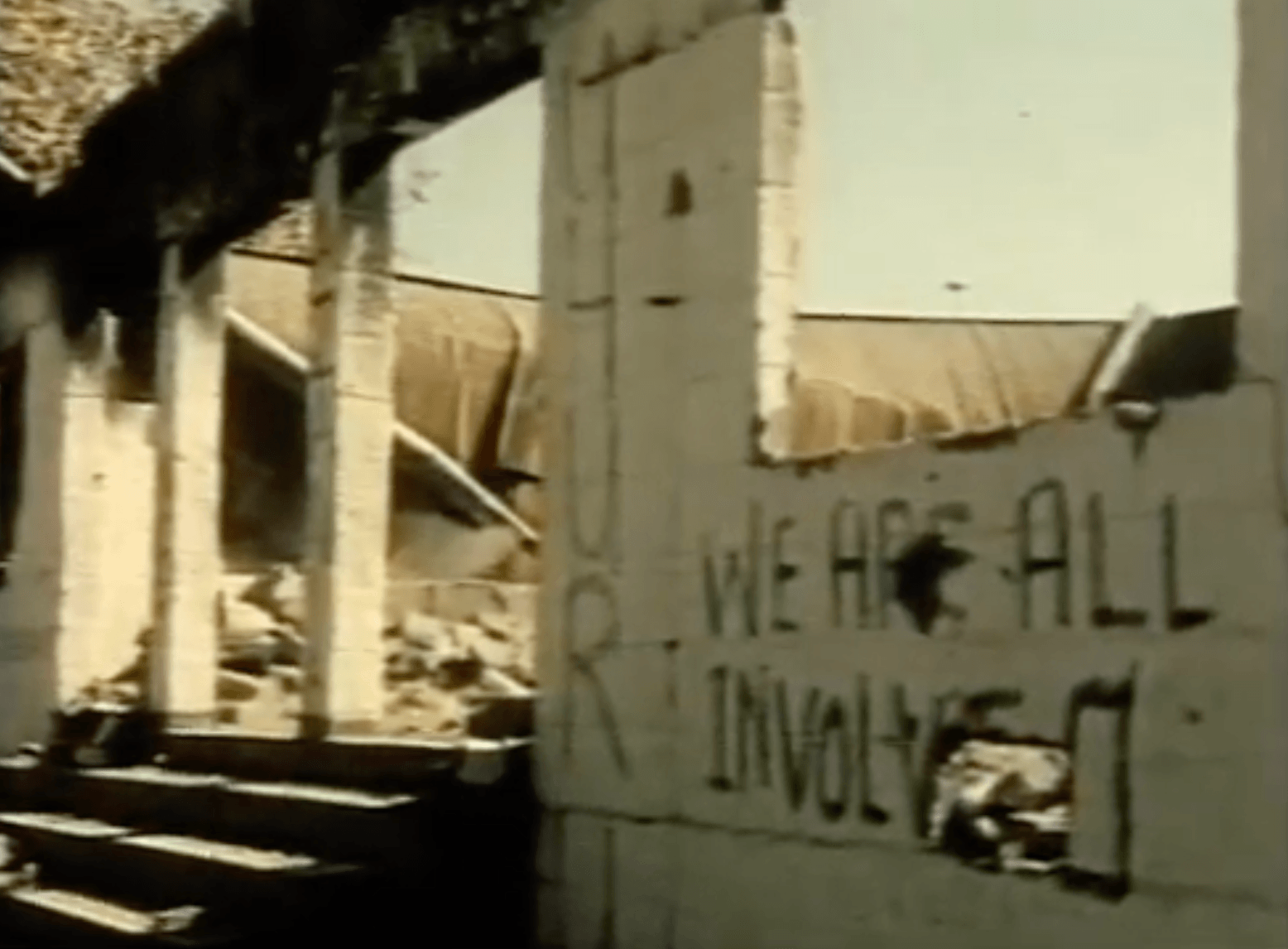
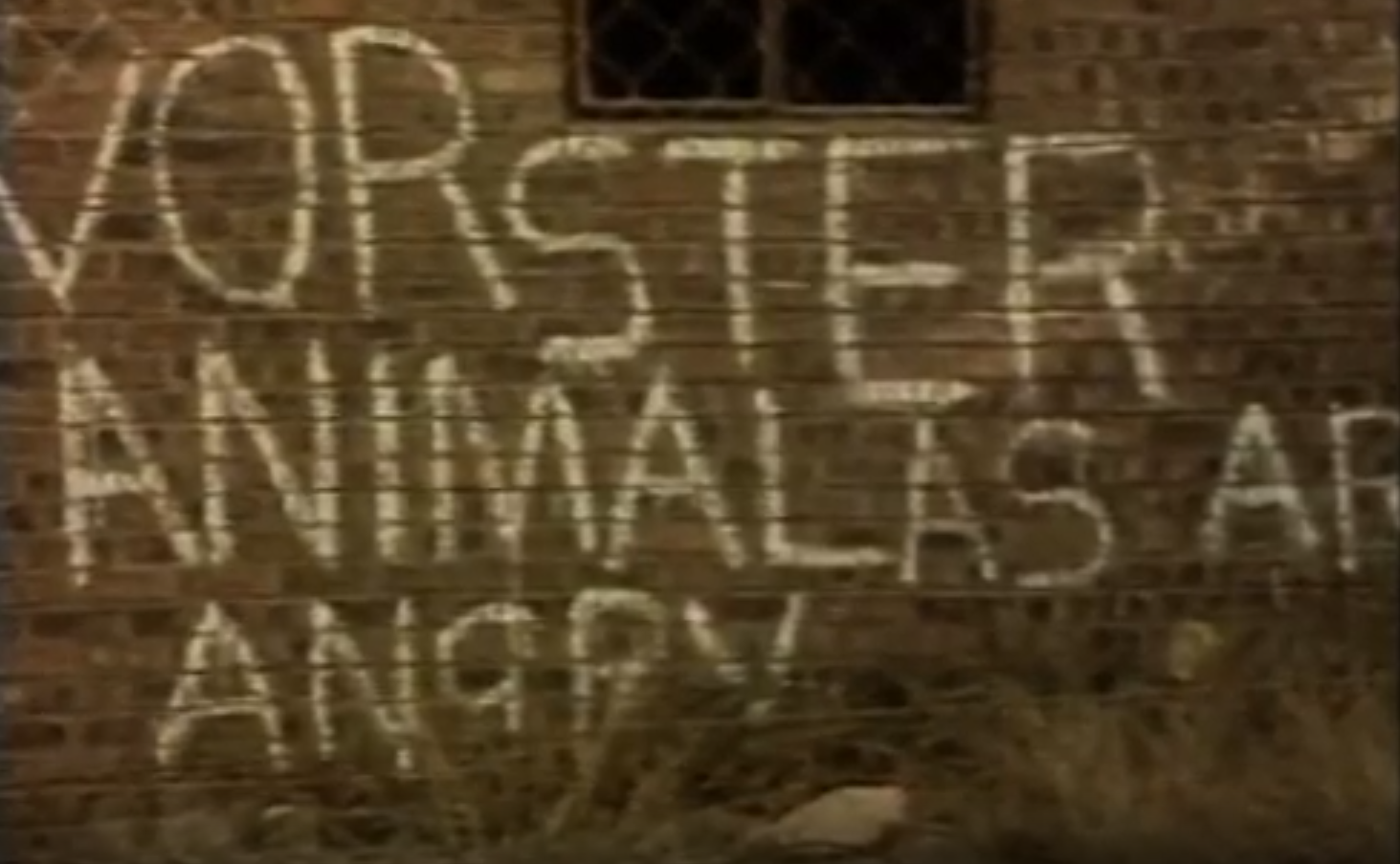
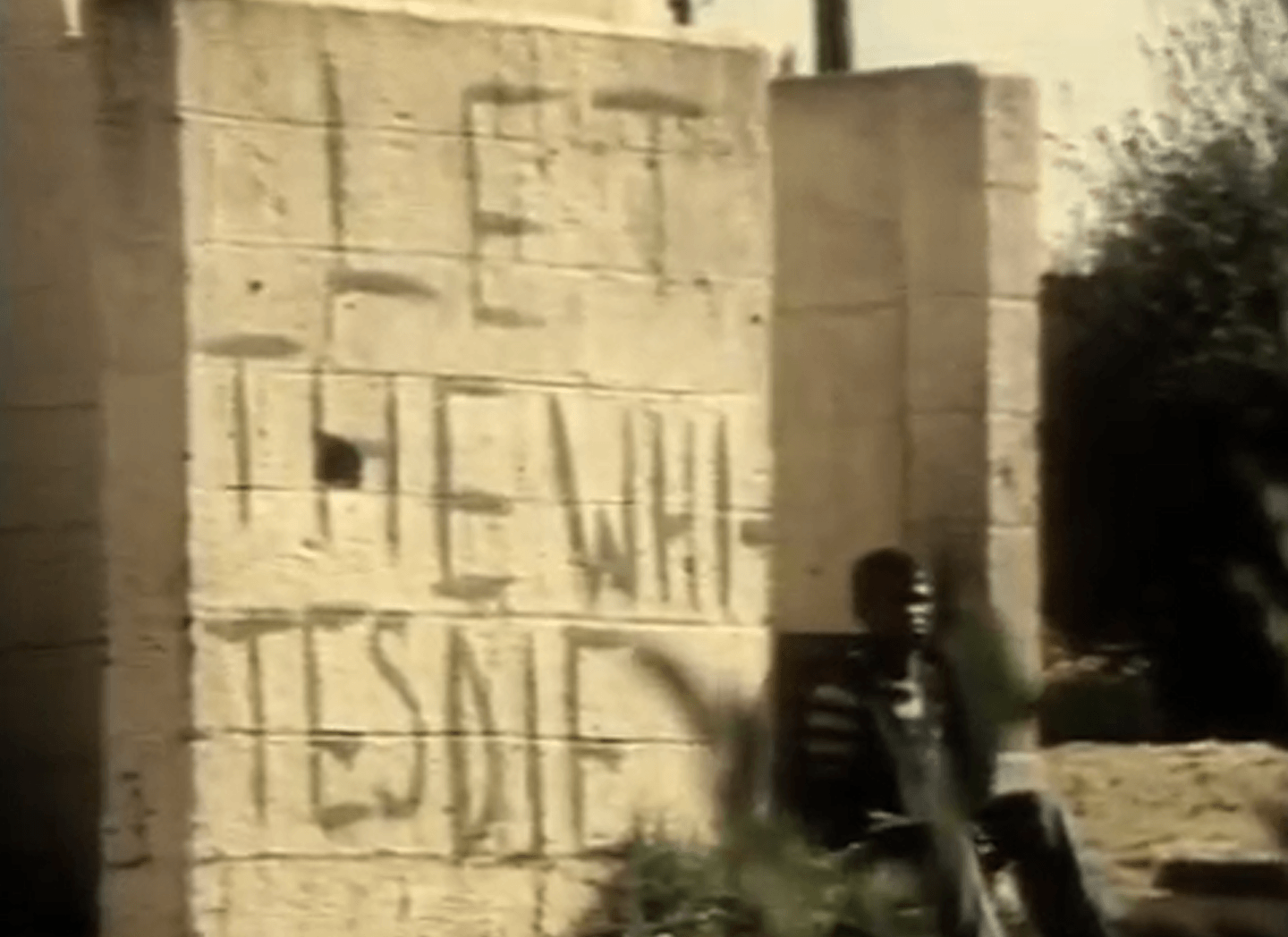
Stills from the film
Educational Viewing
The film is made available for educational and research purposes through the generosity of Antony Thomas.
Please contact info@antiapartheidlegacy.org.uk to request access.
Please include:
- Your name
- Institution or organisation and position
- Intended scope of educational use and audience
Access details and passwords will be provided following review.
Requests from independent researchers, individual students and home-education groups will also be considered on a case-by-case basis.
Note that the film format available through the website is low-res only, suitable for screening in classroom settings.
For larger scale screenings, these can be arranged by the Anti-Apartheid Legacy Centre in your educational space. Please contact us for more information about how to go about arranging this.