

Designing Memory: What the Archive Leaves Unseen
A blog by Tom Standish, June 2026
My name is Tom Standish and I am a Graphic Design student at London Metropolitan University. This work reflects my response to the prospective brief of creating assets for a speculative exhibition detailing 50 years of The Soweto Uprising. I am grateful to the Anti-Apartheid Legacy for their opportunity to collaborate with the university and to give me a space to talk about my research and design journey, aiming to visualise the history of resistance and justice.
When going through the research stage of the project, I wanted to focus on the individual stories from the uprising. I had compiled an archive of key figures from the uprising such as Tsietsi Mashinini, Hector Pieterson and Sibongile Mkhabela, pairing their portrait with a handwritten note on their contributions. Sadly, there were many occasions where key figures had no usable imagery available.
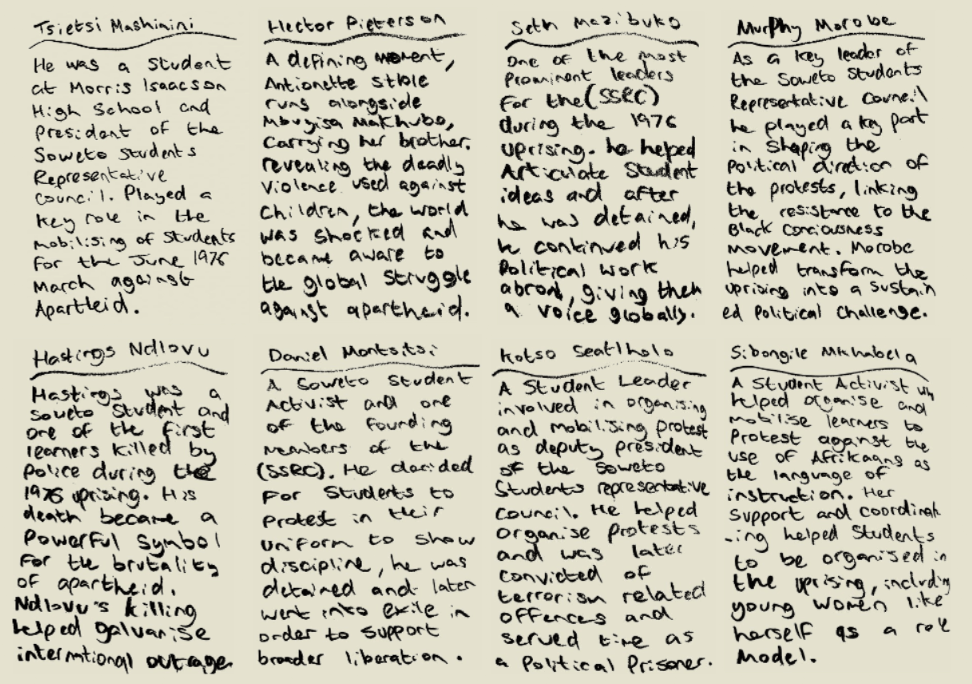
Profiles of some of the notable figures who defined the Soweto Uprising
What started as a roadblock turned into missing photos and missing stories being the spotlight of my intention behind what I designed. It’s not just the stories that we know, but the stories that are harder to trace because of how history has been recorded, preserved and passed down. In many ways, apartheid didn’t only divide people in the present but also shaped what could be remembered in the future. That made me think about design as a way of bringing attention to those overlooked histories and asking who gets seen, and who gets left out of the archive.
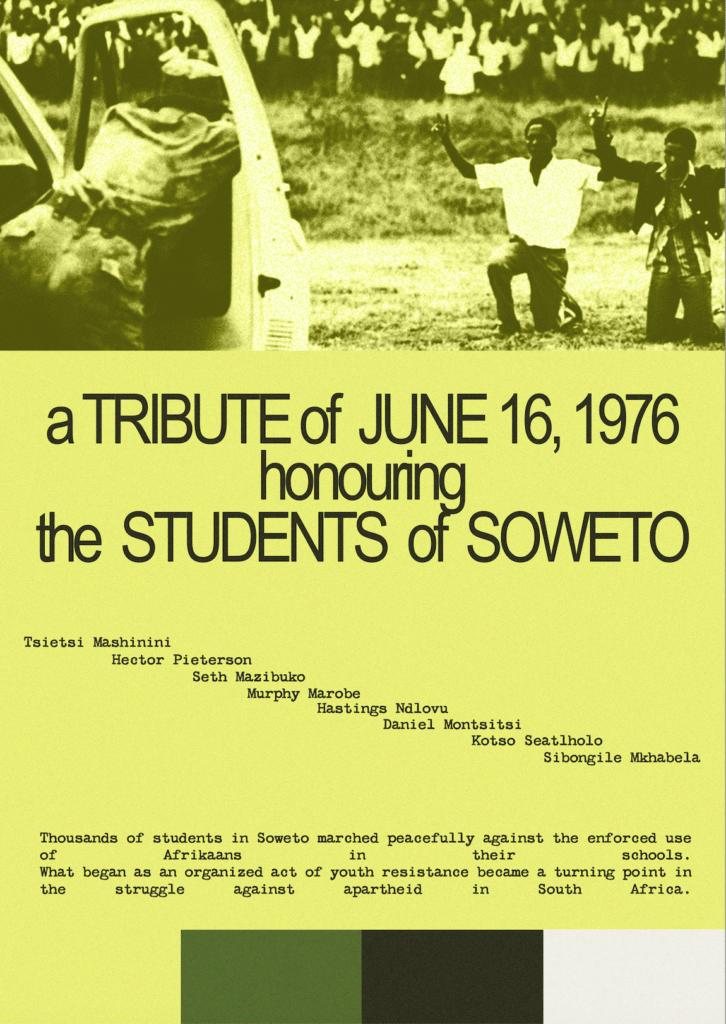
Example of an alternate design concept – with header photograph by Alf Kumalo, accessed with permissions for educational use from Photography Legacy Project (PLP Archive)
When thinking about what would make the idea stand out, I took influence from real life posters and leaflets made during the time of Apartheid in South Africa. Using a restricted colour palette echoed the urgency that information had to be spread. Using red as a signal of danger and bloodshed, felt similar to what I had seen from what has been preserved in the archives.
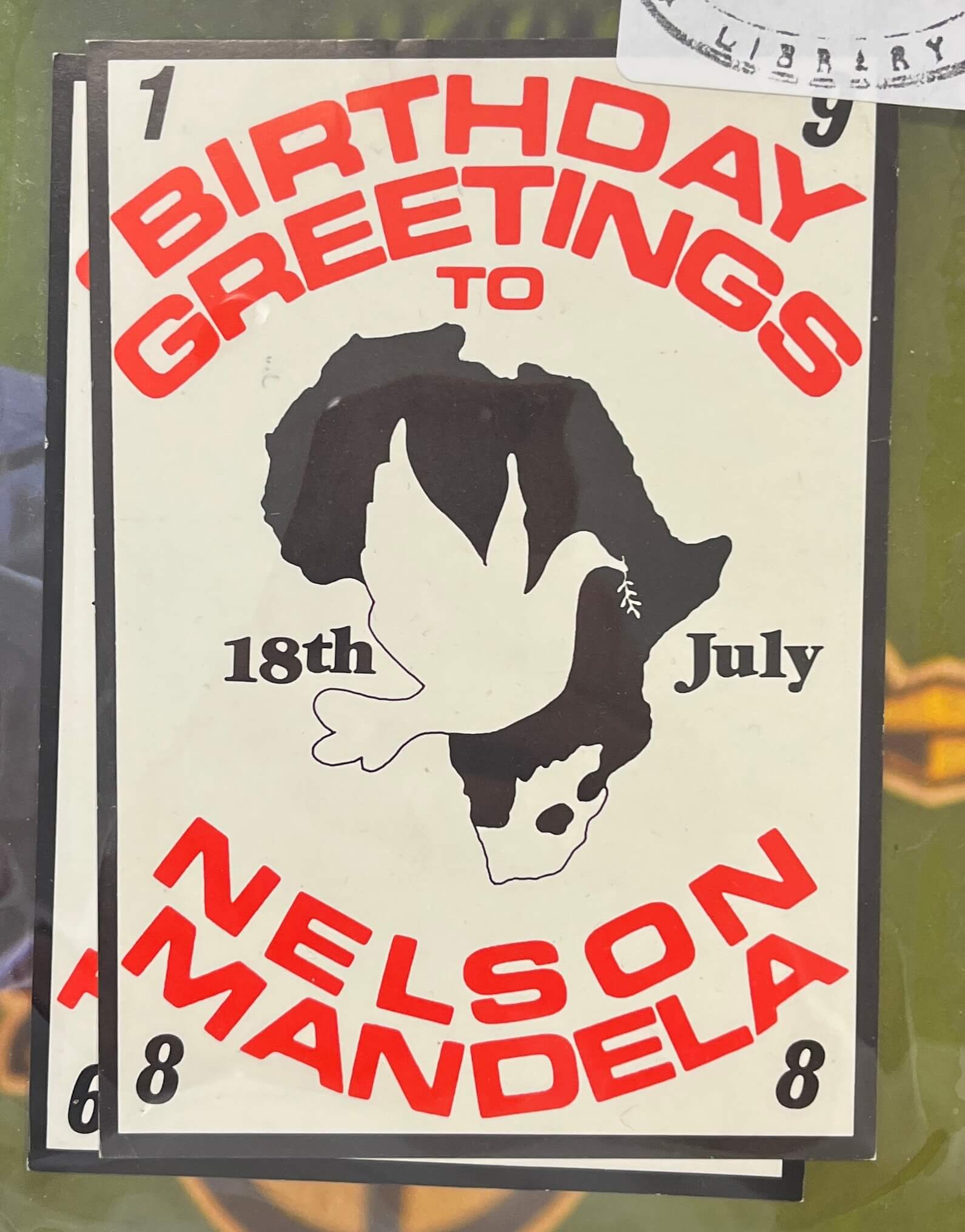
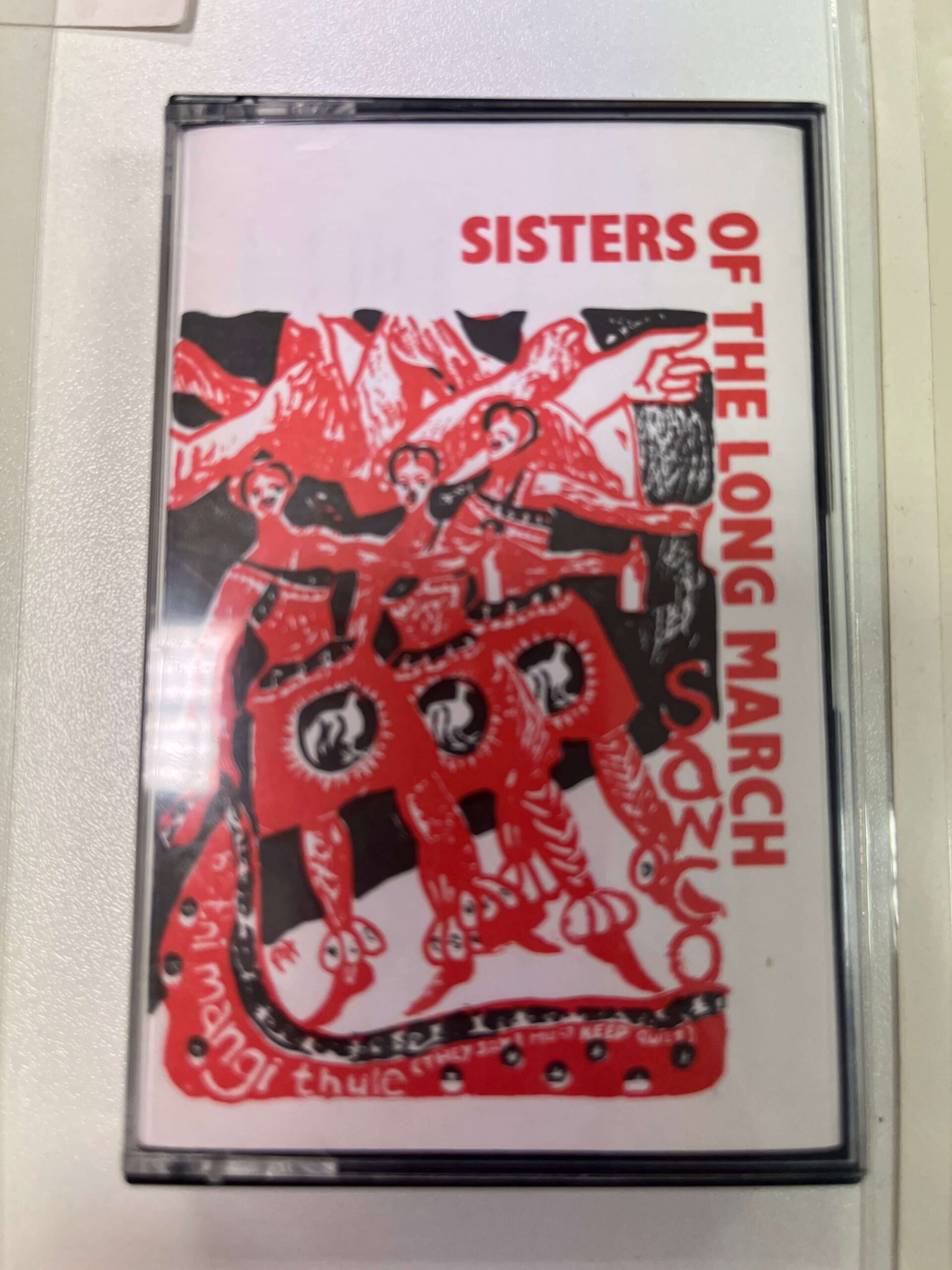
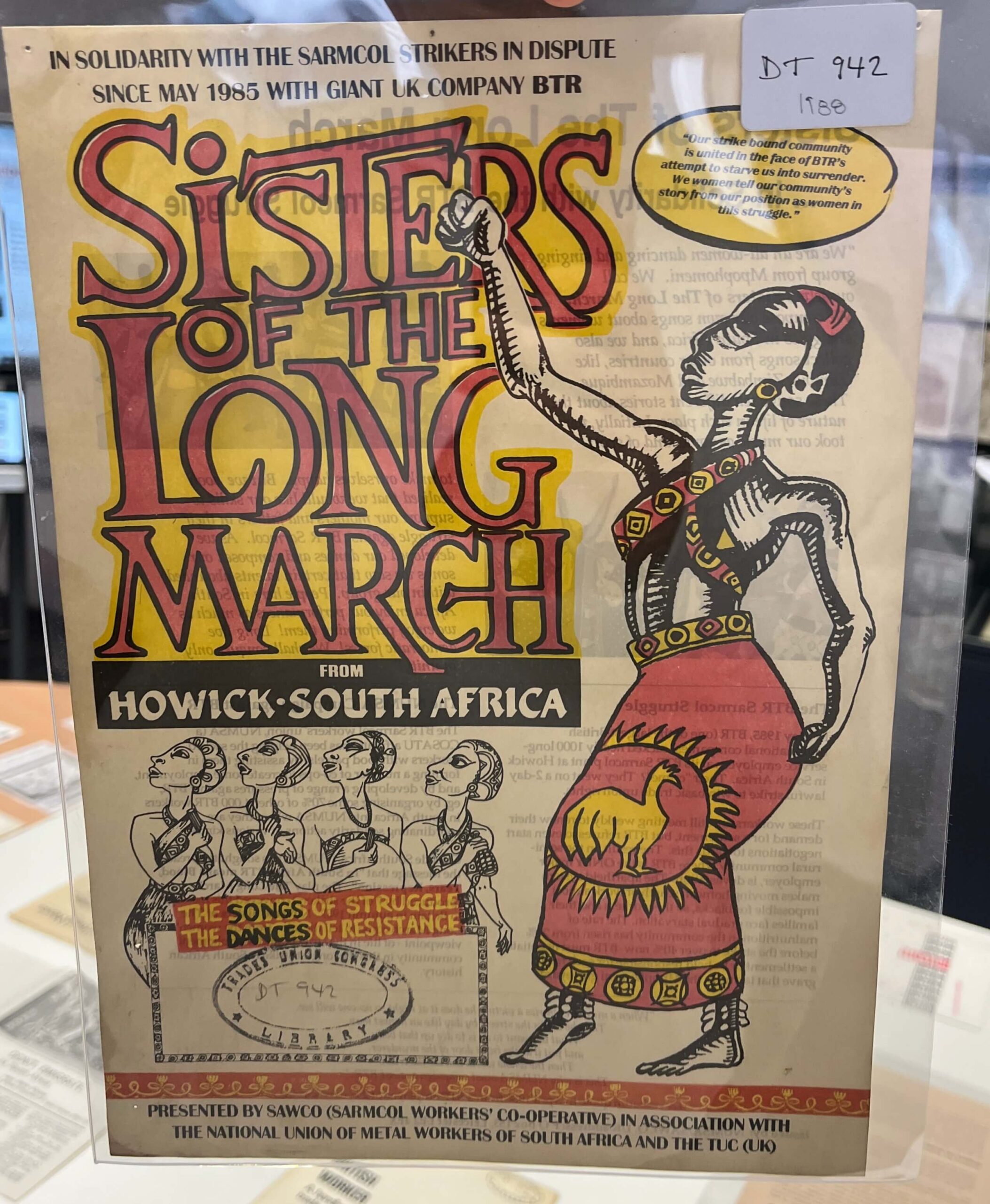
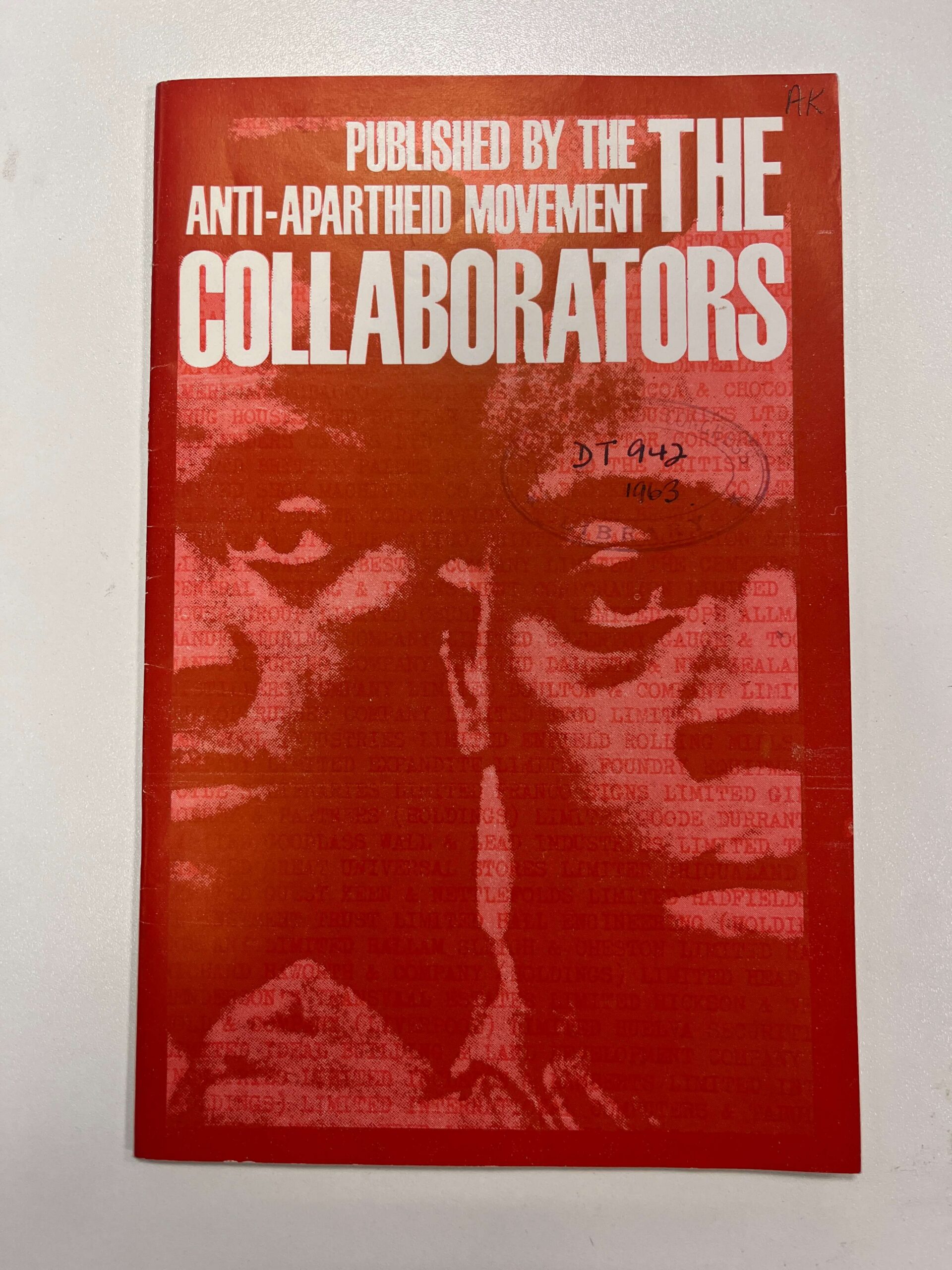
Materials encountered during my research in the Trade Unions Congress Archive, London Metropolitan University Special Collections
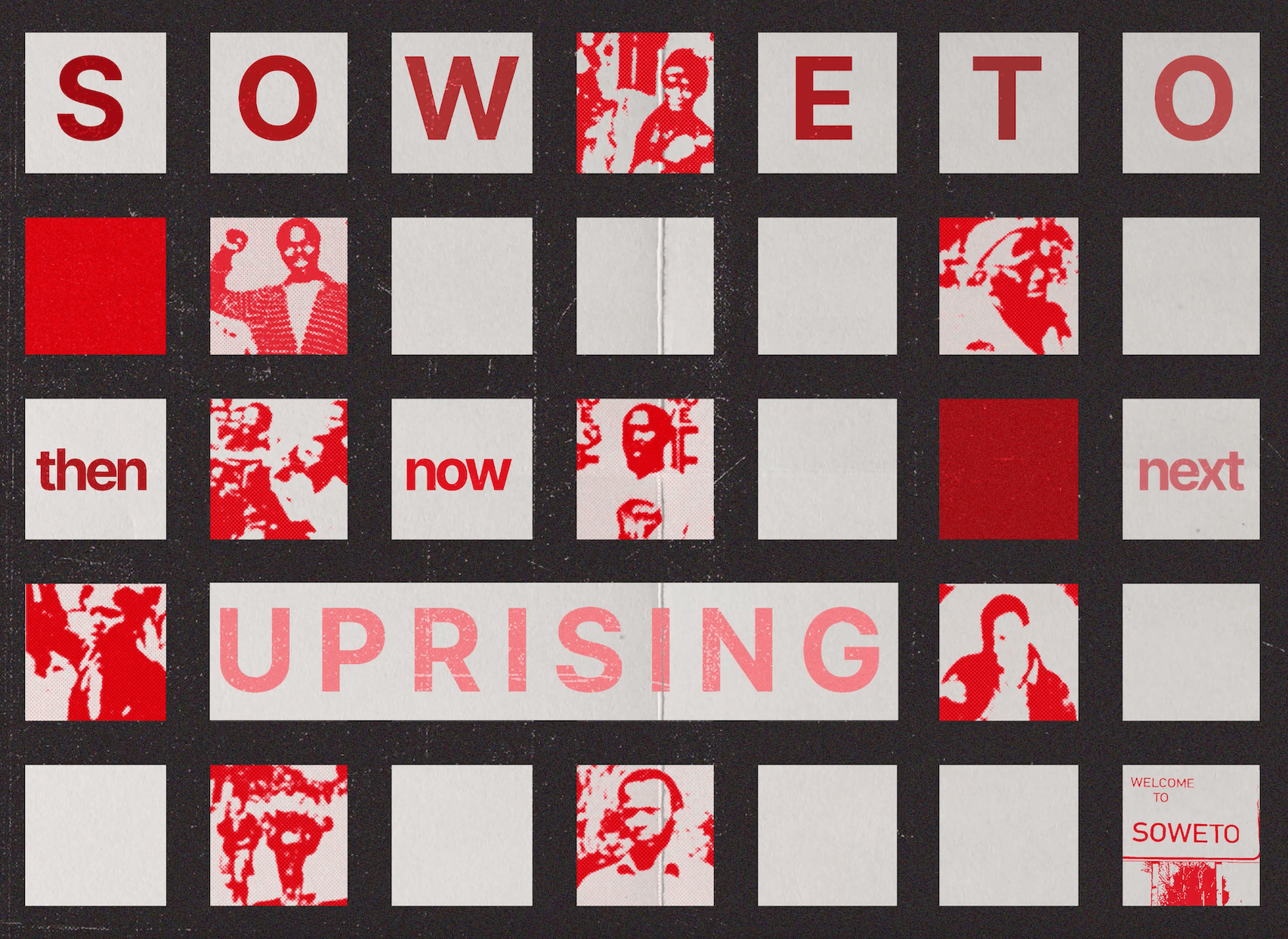
For my concept, the empty spaces represented a story that was not told, a person that was not remembered, a photo that wasn’t taken or kept. I think it is important to show people that the Soweto Uprising stood for history and for culture and togetherness in the face of segregation, the thick lines keeping people from each other.
Dynamic intro sequence designed for the project – incorporating photographic materials used during research undertaken using the PLP archive.
Making the cells fade in and out was a choice to highlight the fragility of the history we have left. It serves as a reminder of how close Apartheid came to completely erasing these voices, threatening to strip away the legacies that connect us today, and a message to people that memories are vulnerable and can be lost if we don’t design ways to remember.
Example of a promotional post for social channels – further drawing on photographic materials in research undertaken using the PLP archive.
I would hope that people engaging with my work, left with their world feeling slightly bigger. It is an honour to be able to share my design process with an audience for the first time and using design as a tool to honour these archives and amplify them is one of the greatest privileges I could have as a student and I hope that is a message that can resonate with other people too.
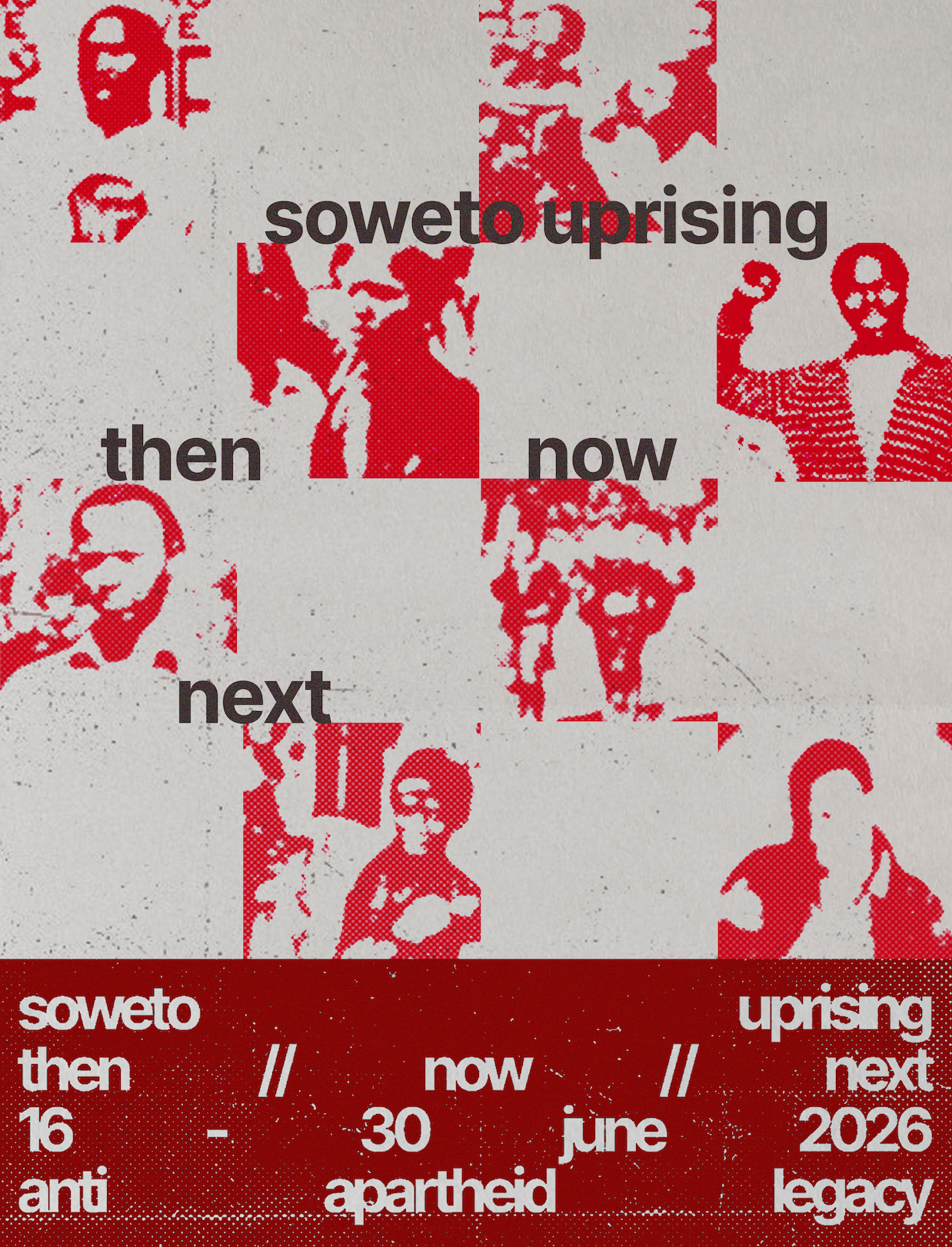
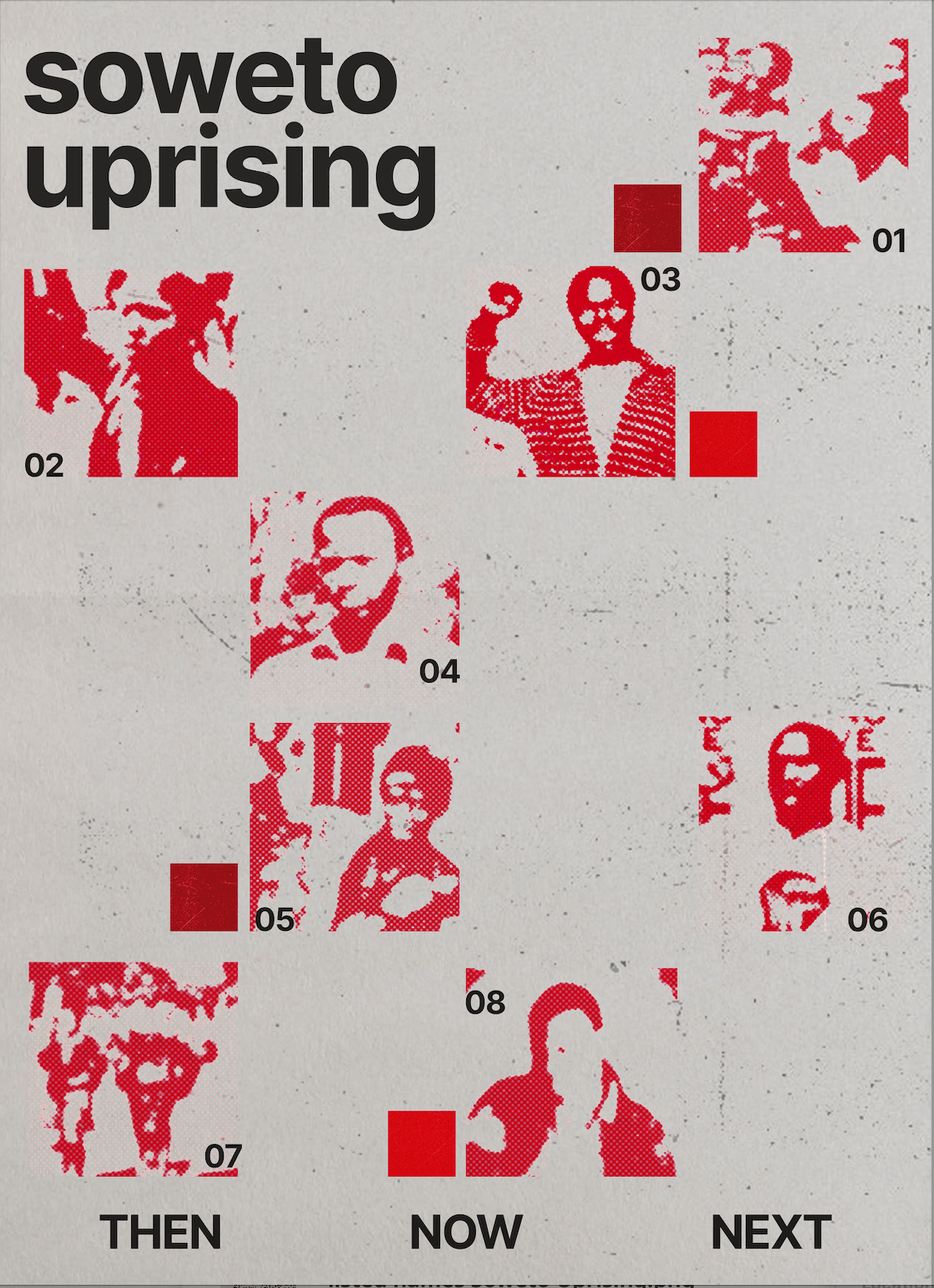
Two stylised promotional poster examples
Blog written by Tom Standish, Graphic Design Level 5, London Metropolitan University, June 2026
Instagram: @waketexas184